


Understanding TVS Diodes
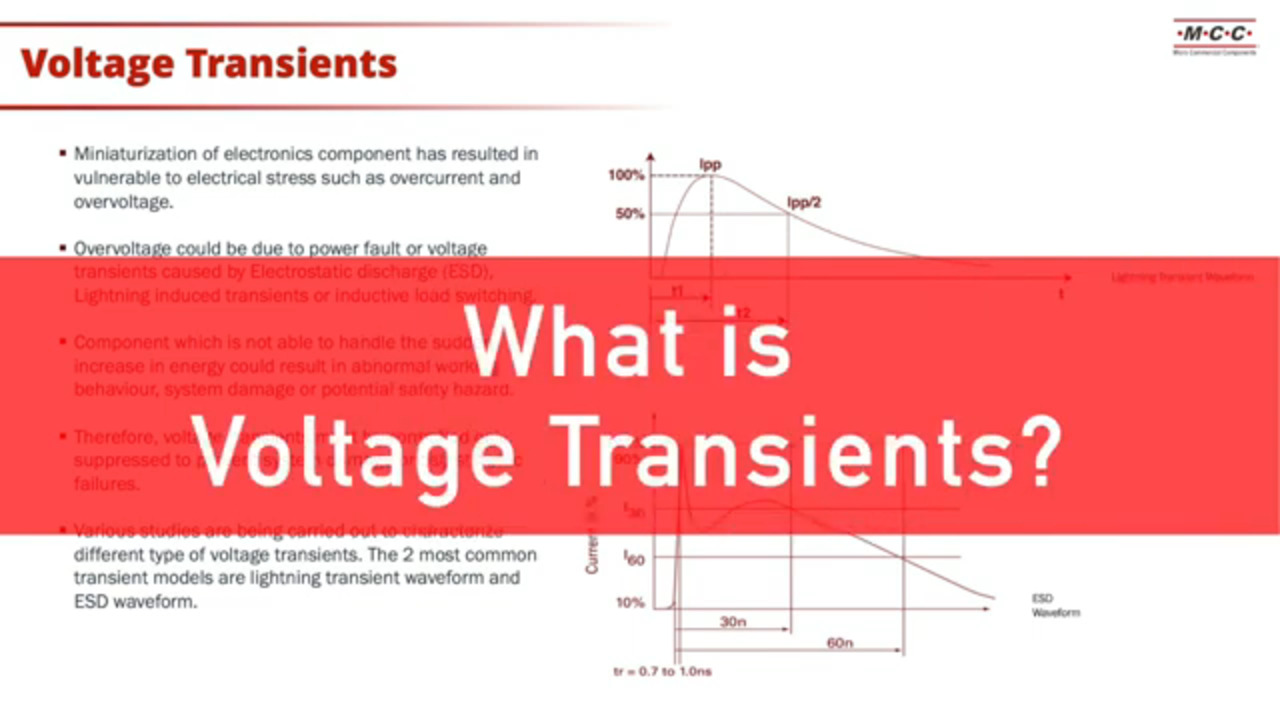
Understand the difference between 8/20 and 10/1000 current waveform pulses.



 Settings
 Fast Delivery
Orders are typically delivered to Germany within 48 hours depending on location.
 Free Shipping
Free delivery to Germany on orders of 50 EUR or more. A delivery charge of 18 EUR will be billed on all orders less than 50 EUR.
 Incoterms
UPS or FedEx freight pre-paid: DDP (Duty and customs paid by DigiKey)
DHL freight pre-paid: CPT (Duty, customs, and VAT due at time of delivery)
 Payment Types
Credit account for qualified institutions and businesses
Payment in Advance by Wire Transfer


 Marketplace Product
More Products From Fully Authorized Partners
Average Time to Ship 1-3 Days, extra ship charges may apply. Please see product page, cart, and checkout for actual ship speed.
Incoterms: CPT (Duty, customs, and applicable VAT/Tax due at time of delivery)
For more information visit Help & Support
Understand the difference between 8/20 and 10/1000 current waveform pulses.
Publish Date: 2024-08-14
Publish Date: 2024-05-28
Publish Date: 2023-11-28
Co-Browse
By using the Co-Browse feature, you are agreeing to allow a support representative from DigiKey to view your browser remotely. When the Co-Browse window opens, give the session ID that is located in the toolbar to the representative.
DigiKey respects your right to privacy. For more information please see our Privacy Notice and Cookie Notice.
Yes, Continue to Co-Browse
Thank you!
Keep an eye on your inbox for news and updates from DigiKey!
Please enter an email address
Please accept the checkbox




